Synapse

Industry

E-learning

Role

UI/UX Designer

Platform

Native App, Website

About Product

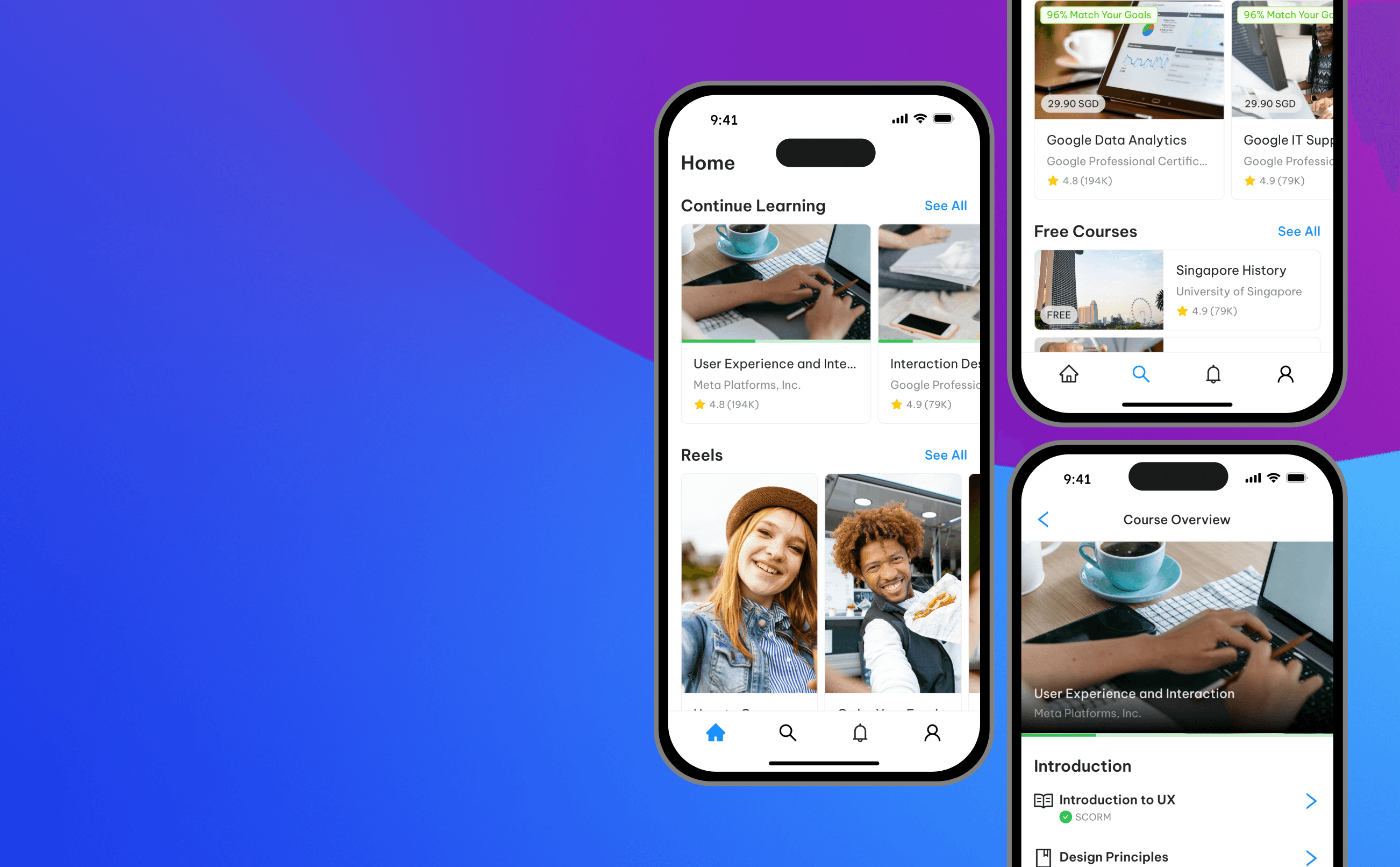
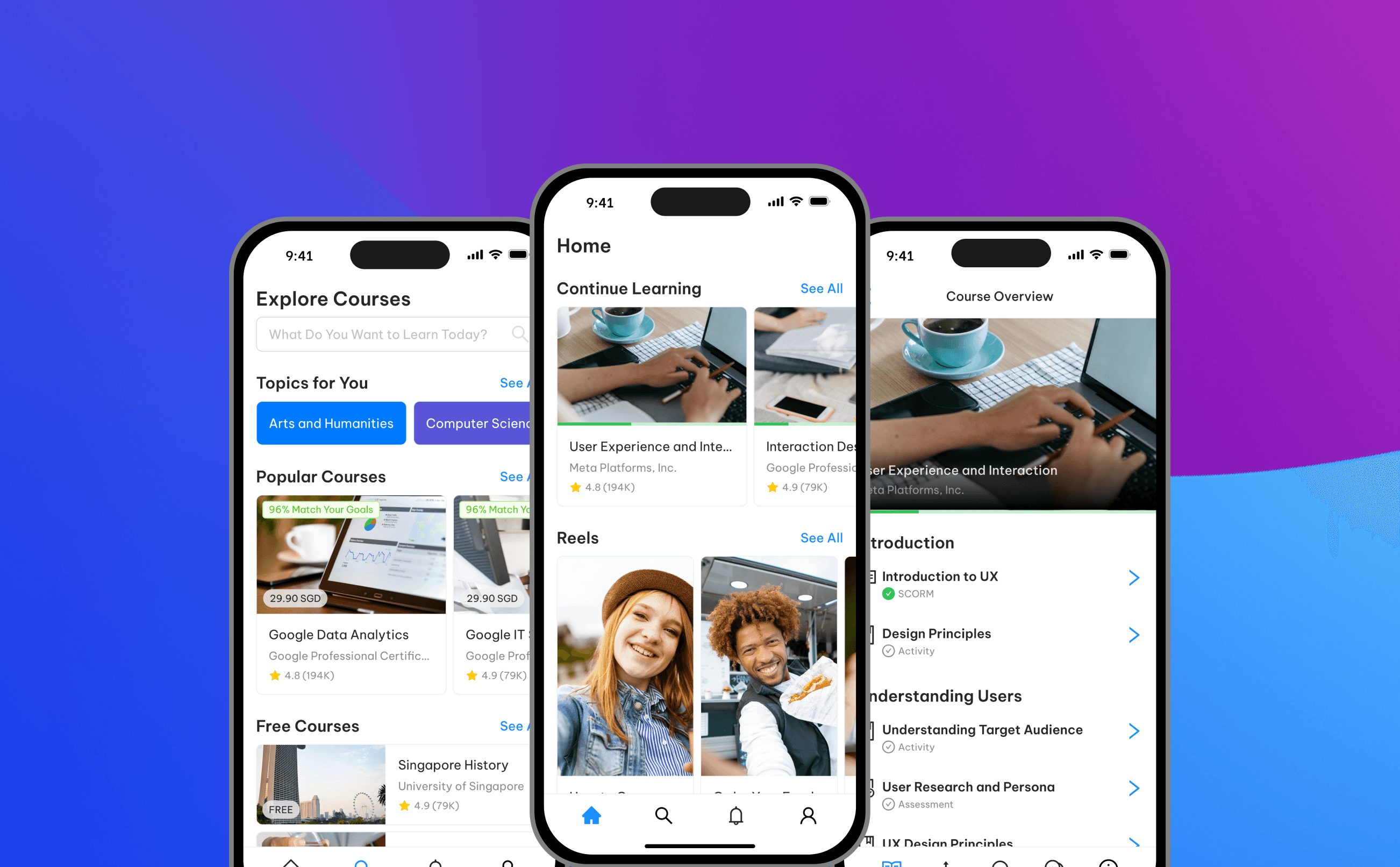
Synapse is an online learning platform offering courses and certifications from companies and Synapse itself. You can learn almost anything, at your own pace.

Task

Create an online learning platform for people to take courses and businesses to create courses to train their people.


Tools

Problem

Disadvantages of Traditional Manual Training

Traditional manual training methods, while once prevalent, have several drawbacks in today's fast-paced business environment:

  • Inefficiency: Time-consuming to deliver training to large groups, often requiring multiple sessions.

  • Inconsistent delivery: Training quality can vary based on trainer expertise and experience.

  • Lack of scalability: Difficult to reach employees in multiple locations or with varying schedules.

  • Limited accessibility: Employees may miss training due to scheduling conflicts or other commitments.

  • High costs: Involves expenses for trainers, training materials, and facilities.

  • Difficulty in measuring effectiveness: Challenges in tracking employee knowledge retention and skill improvement.

  • Limited engagement: Passive learning environments often lead to decreased employee motivation.

  • Lack of flexibility: Rigid training schedules may not accommodate employee preferences or learning styles.

These challenges highlight the need for more efficient and effective training methods, such as online learning platforms.

Research

Target Research: Learners

  1. Up-skilling and Re-skilling Professionals

    • Advance in their current careers by acquiring new skills in their field.

    • Transition to a new career path by learning relevant skills and obtaining certifications.

    • Stay updated with the latest industry trends and technologies.

  2. Students Supplementing Education

    • Deepen their understanding of a subject beyond their traditional curriculum.

    • Explore new areas of interest outside their major field of study.

    • Gain practical skills that complement their academic learning.

  3. Lifelong Learners

    • People seeking personal development through courses on wellness, communication, or productivity.

    • Individuals exploring a new hobby or interest through courses on photography, cooking, or creative writing.

    • Anyone motivated to expand their knowledge base and intellectual curiosity.

Target Research: Businesses

  1. Decision-makers and HR Professionals

    • Responsible for: Identifying training needs, selecting e-learning platforms, and managing training budgets.

    • Goals: Improve employee performance, enhance productivity, and reduce training costs.

  2. Training Managers and Coordinators

    • Responsible for: Developing training programs, assigning courses, and tracking employee progress.

    • Goals: Ensure effective knowledge transfer, improve employee engagement, and measure training ROI.

  3. Employees

    • Responsible for: Completing assigned training courses and applying learned skills.

    • Goals: Skill development, career advancement, and job performance improvement.

  4. Other Potential Users

    • Subject Matter Experts (SMEs): Develop and deliver training content.

    • IT Support: Manage the e-learning platform and provide technical assistance.

Competitors Analysis

Coursera

  1. Strengths

    • Vast course catalog: Offers a wide range of courses from top universities and institutions.

    • Global reach: Accessible to learners worldwide.

    • Strong brand reputation: Established as a leader in online education.

    • Flexible learning options: Offers various course formats (audit, paid certificate, degree).

  2. Weaknesses

    • Reliance on partner institutions: Dependence on external content providers can limit control over course quality.

    • Limited hands-on experience: Lack of practical application opportunities compared to traditional education.

    • Competition from other platforms: Intense competition in the online learning market.

    • Potential for learner isolation: Online learning can lack social interaction and peer support.

  3. Opportunities

    • Expansion into new markets: Targeting emerging economies with growing education demand.

    • Enterprise solutions: Focus on corporate training and development programs.

    • Integration of AI and VR: Enhancing learning experiences through advanced technologies.

    • Partnerships with employers: Building stronger connections between learners and potential employers.

  4. Threats

    • Economic downturns: Impact on consumer spending on education.

    • Changing educational landscape: Emergence of new learning platforms and technologies.

    • Data privacy concerns: Potential regulatory challenges and reputational risks.

    • Competition from free online resources: Increased availability of free educational content.

Udemy

  1. Strengths

    • Vast course library: Offers a wide range of courses across various subjects.

    • Global reach: Accessible to learners worldwide.

    • Flexible pricing: Offers various pricing models (free, paid, subscription).

    • Strong brand recognition: Established as a leading online learning platform.

  2. Weaknesses

    • Course quality variability: Quality of courses can vary significantly.

    • Limited instructor support: Lack of direct interaction between instructors and students.

    • High competition: Numerous online learning platforms offering similar services.

    • Dependence on individual instructors: Reliance on instructors for content creation.

  3. Opportunities

    • Enterprise market: Targeting corporate training and development.

    • Focus on niche markets: Offering specialized courses in high-demand areas.

    • Enhanced course discovery: Improving search and recommendation algorithms.

    • Integration of AI and VR: Enhancing learning experiences through technology.

  4. Threats

    • Economic downturns: Impact on consumer spending on education.

    • Increasing competition: New entrants and existing rivals offering similar services.

    • Changes in educational trends: Shifts in learning preferences and technologies.

    • Data privacy concerns: Potential regulatory challenges and reputational risks.

Personas

Name

Maya

Target Type

Professional

About

  • Age: 28

  • Occupation: Marketing Manager at a tech startup

  • Location: Singapore

  • Education: Bachelor's degree in Business Administration

Quotes

  • "I know UI/UX design is the future, and I want to be a part of it."

  • "There are just not enough hours in the day to take a traditional design course."

  • "With so many online courses out there, it's hard to know which ones are actually good."

Psychographics

  • Ambitious and driven professional.

  • Values continuous learning and development.

  • Seeks to stay relevant in the fast-paced tech industry.

  • Prefers a flexible and convenient learning experience.

  • Appreciates high-quality content and expert instruction.

Needs

  • Gain in-demand UI/UX design skills to potentially transition into a UX design role.

  • Learn the fundamentals of user-centered design thinking.

  • Master tools and techniques for creating user-friendly interfaces.

  • Understand current UI/UX design trends and best practices.

  • Balance learning with a demanding full-time job and personal life.

Frustrations

  • Difficulty finding time to take traditional in-person design courses.

  • Overwhelmed by the sheer volume of online learning resources available.

  • Uncertain about the quality and effectiveness of various online courses.

  • Limited budget for expensive professional design certifications.

  • Difficulty translating theoretical knowledge into practical skills for real-world projects.

How to Help

  • Bite-sized, self-paced video lessons: Learn at her own convenience, fitting learning into her busy schedule.

  • Curated learning paths: Structured programs that guide her through the essential UI/UX design principles.

  • Project-based learning: Focus on applying theory to practical design challenges.

  • Expert instructors: Learn from industry professionals with real-world experience.

  • Affordable pricing options: Flexible subscription plans or individual course purchases.

  • Community features: Connect with other learners and receive mentorship from experienced designers.


Name

Lina

Target Type

Business

About

  • Age: 38

  • Occupation: HR Professional

  • Location: Singapore

  • Education: Bachelor's degree in Human Resources, Business Administration, or related field

  • Experience: 5-15 years in HR, with a focus on training and development

Quotes

  • "I need a platform that simplifies training administration and saves me time."

  • "I'm struggling to find training content that aligns with our company's specific needs."

  • "Measuring the impact of training is a constant challenge."

Psychographics

  • Values: Employee development, organizational success, cost-efficiency

  • Lifestyle: Often juggling multiple responsibilities, including budget management, compliance, and employee relations

  • Technology proficiency: Varies depending on age and experience, but generally comfortable with basic computer applications

  • Challenges: Balancing competing priorities, managing budgets, and measuring training effectiveness

  • Goals: Improve employee performance, enhance company culture, reduce turnover, and demonstrate the value of HR to the organization

Needs

  • Efficient training program management

  • Access to a variety of training content

  • Measurable training outcomes

  • Cost-effective training solutions

  • Integration with HR systems

  • Ability to track employee progress

  • Engaging and interactive training experiences

Frustrations

  • Time-consuming manual processes for training administration

  • Difficulty finding relevant and effective training content

  • Challenges in measuring training ROI

  • Limited budget for training programs

  • Difficulty engaging employees in training

  • Keeping training content up-to-date

How to Help

  • An e-learning platform that offers a comprehensive suite of tools for managing training programs, delivering engaging content, and measuring training effectiveness.

  • The platform should provide a user-friendly interface, customizable content options, and robust analytics.

Customer Journey Map

User on Synapse

  1. Stage 1: Awareness and Consideration

    • Actions: Discovers Synapse through search, social media, or recommendations. Explores course offerings and reviews.

    • Thoughts and Feelings: Seeks relevant courses to meet learning goals, unsure about platform quality.

    • Needs: Clear course descriptions, pricing information, and platform credibility.

  2. Stage 2: Platform Registration and Exploration

    • Actions: Creates an account, browses courses, enrolls in desired course.

    • Thoughts and Feelings: Excited to start learning, concerned about platform usability.

    • Needs: Simple registration process, intuitive interface, and easy course navigation.

  3. Stage 3: Course Enrollment and Consumption

    • Actions: Accesses course content, completes assignments, interacts with course materials.

    • Thoughts and Feelings: Engaged in learning, seeks clarification, desires progress tracking.

    • Needs: High-quality course content, interactive learning elements, and progress monitoring tools.

  4. Stage 4: Course Completion and Certification

    • Actions: Completes course, accesses certificate, explores additional courses.

    • Thoughts and Feelings: Satisfied with learning outcome, seeks opportunities for further learning.

    • Needs: Clear certification process, access to alumni network, career support.

  5. Stage 5: Platform Engagement and Loyalty

    • Actions: Participates in community forums, recommends platform to others, re-enrolls in courses.

    • Thoughts and Feelings: Feels part of a learning community, values platform benefits.

    • Needs: Continued platform improvements, personalized recommendations, and exclusive offers.

Key Pain Points:

  • Difficulty finding relevant courses

  • Technical issues accessing course content

  • Lack of interaction and engagement

  • Inadequate support for learning difficulties

Business on Synapse

  1. Stage 1: Awareness and Consideration

    • Actions: Discovers Synapse through online research, industry recommendations, or company referrals.

    • Thoughts and Feelings: Seeks an effective e-learning platform to address training needs, concerned about cost and ROI.

    • Needs: Information about platform features, pricing, and customer testimonials.

  2. Stage 2: Platform Evaluation

    • Actions: Creates a free trial account, explores platform features, assesses content library.

    • Thoughts and Feelings: Evaluates platform's user-friendliness, considers content relevance, compares pricing to competitors.

    • Needs: Detailed information about course customization options, integration with HR systems.

  3. Stage 3: Platform Implementation

    • Actions: Purchases a subscription plan, uploads employee data, assigns courses.

    • Thoughts and Feelings: Anticipates successful training rollout, concerned about data security.

    • Needs: Easy onboarding process, clear instructions, and reliable customer support.

  4. Stage 4: Training Management

    • Actions: Tracks employee progress, assigns additional courses, modifies training plans.

    • Thoughts and Feelings: Seeks to measure training effectiveness, desires insights into employee performance.

    • Needs: Robust analytics and reporting tools, flexible course management options.

  5. Stage 5: Evaluation and Optimization

    • Actions: Analyzes training data, identifies areas for improvement, adjusts training strategy.

    • Thoughts and Feelings: Seeks to maximize ROI, ensure employee satisfaction.

    • Needs: In-depth performance analytics, access to employee feedback.

  6. Stage 6: Renewal and Expansion

    • Actions: Renews subscription, explores additional platform features, expands training initiatives.

    • Thoughts and Feelings: Satisfied with platform performance, seeks to optimize training investment.

    • Needs: Ongoing platform updates, new course content, and dedicated account management.

Key Pain Points:

  • Difficulty finding relevant training content

  • Inefficient training management processes

  • Challenges in measuring training ROI

  • Limited platform customization options

Synapse

Unlock Your Potential

Unlock Your Potential

Unlock Your Potential

Synapse

Unlock Your Potential

Features

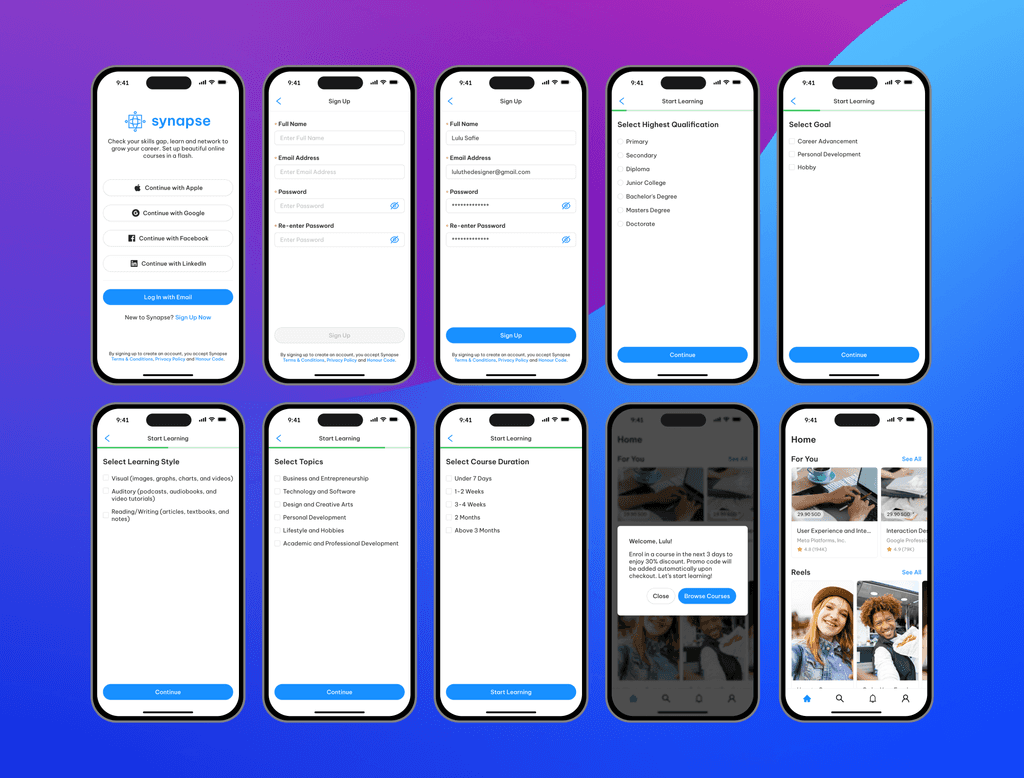
Sign Up Flow

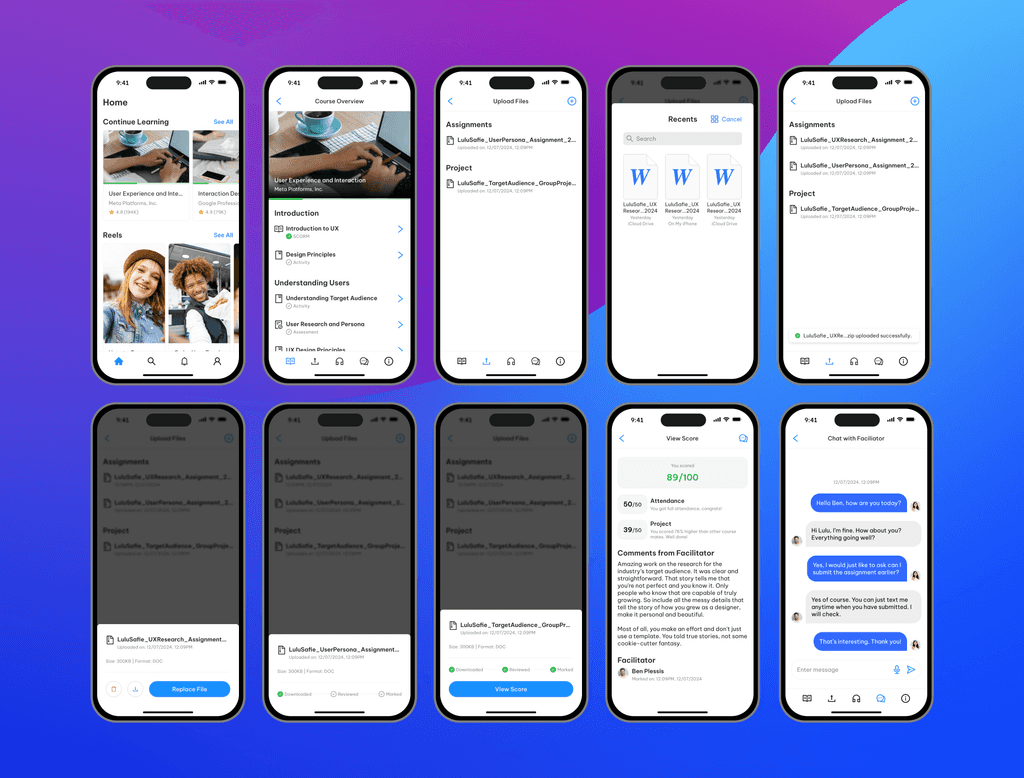
Learning Flow

  1. Clear UX

    • Clear User Onboarding: Guide users through the initial setup process.

    • Personalized Learning Paths: Recommend courses based on user interests, goals, and prior knowledge.

    • Intuitive Navigation: Make it easy for users to find relevant courses, track progress, and access learning materials.

    • Engaging Learning Experience: Incorporate interactive elements, quizzes, and gamification features to keep users motivated.

    • Progress Tracking and Gamification: Visually represent user progress with badges, points, or leaderboards to boost motivation.

    • Community Features: Enable interaction between learners through discussion forums or study groups.

    • Offline Access: Allow users to download course materials for offline learning (optional).

  2. Improving UI

    • Clean and Modern Interface: Opt for a visually appealing and uncluttered design that prioritizes readability.

    • Responsive Design: Ensure the app looks good and functions flawlessly across different devices (phones, tablets, desktops).

    • High-Quality Content Presentation: Use clear visuals, well-organized layouts, and legible fonts for presentations and course materials.

    • Accessibility Features: Integrate features like closed captions, adjustable text size, and keyboard navigation for inclusivity.

    • Search Functionality: Allow users to easily search for courses by title, topic, skill level, or instructor.

    • Certification Tracking: Clearly display progress towards certifications and provide easy access to earned certificates.

  3. Additional Considerations:

    • Progress Tracking and Analytics: Provide users with insights into their learning progress and areas for improvement.

    • Push Notifications: Send timely reminders for upcoming deadlines, new course materials, or announcements.

    • Interactive Content and Assessments: Integrate quizzes, polls, and interactive activities to reinforce learning.

    • High-Quality Video and Audio: Ensure clear and engaging audio-visual content for a professional learning experience.

Summary

Synapse is a transformative e-learning platform empowering individuals and businesses to unlock their full potential. By providing accessible, engaging, and effective learning experiences, we bridge the gap between education and professional success. Our platform caters to diverse learners, offering a vast array of courses and personalized learning paths. Through innovative features and a commitment to user satisfaction, Synapse is reshaping the future of education and driving positive impact on individuals and organizations alike.

I would love to hear from you.

Reach out for any opportunities.

I would love to hear from you.

Reach out for any opportunities.

I would love to hear from you.

Reach out for any opportunities.